The AI Doc: Or How I Became an Apocaloptimist
The future is not automatic
Don’t miss the next trailer.
Five picks a week, in your inbox, free. Unsubscribe anytime.
We’ll send the English newsletter.
A filmmaker on the brink of fatherhood goes looking for clarity in the AI whirlwind—and finds a story that’s equal parts wonder, dread, and urgent responsibility. "The AI Doc: Or How I Became an Apocaloptimist" turns today’s loudest tech debate into an intimate, human reckoning.
“The AI Doc: Or How I Became an Apocaloptimist” (2026) arrives at a moment when artificial intelligence feels less like a topic and more like weather—everywhere, changing fast, and impossible to ignore. Director Daniel Roher places himself at the center of the storm as an expecting father trying to understand what this technology is becoming, and what kind of world it may deliver to the next generation.
Rather than treating AI as a distant abstraction, the documentary frames it as a lived dilemma: excitement about new capabilities colliding with anxiety over missteps that could scale globally. Roher’s perspective gives the film a steady emotional anchor, translating headlines into questions that land at kitchen-table level—What should we trust? Who should decide? What happens if we’re wrong?
The film’s investigation is shaped by conversations across the AI landscape, drawing in figures such as Sam Altman, Daniela Amodei, Dario Amodei, Emily M. Bender, Yoshua Bengio, Liv Boeree, and Ajeya Cotra. Their differing viewpoints create a productive tension, where optimism about breakthroughs sits beside warnings about alignment, incentives, and the speed of deployment. The result isn’t a single verdict, but a map of competing priorities that helps viewers hear the debate in full stereo.
What makes the documentary click is its refusal to reduce the moment to either utopia or doom. The title’s “apocaloptimist” mindset becomes the film’s signature tone: candid about potential catastrophe, yet stubbornly focused on the possibility of steering toward better outcomes. It’s a documentary about power—technical, economic, and political—and the uncomfortable fact that society is still negotiating the rules while the engine is already running.
For audiences searching for an accessible, thoughtful AI documentary, Roher’s film offers a compelling entry point: personal enough to feel immediate, rigorous enough to provoke debate long after the credits. For more coverage of new documentary releases and film culture, visit Trailerix.
Cast

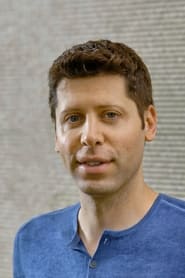

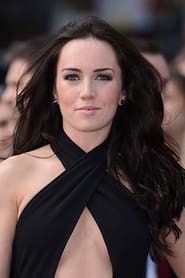

Image © TMDB
Crew



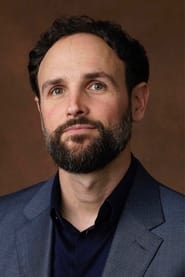

Image © TMDB
Frequently asked questions
What is “The AI Doc: Or How I Became an Apocaloptimist” about?
It follows director Daniel Roher, an expecting father, as he tries to make sense of the AI surge—exploring how powerful the technology has become and why the consequences of mishandling it could be enormous.
Is the film more optimistic or more cautionary about AI?
Both. The documentary embraces the tension between AI’s transformative promise and serious concerns about safety, governance, and incentives, aiming to show why the debate isn’t a simple choice between hype and fear.
Who appears in the documentary?
The film features Daniel Roher alongside prominent voices connected to AI and its impacts, including Sam Altman, Daniela Amodei, Dario Amodei, Emily M. Bender, Yoshua Bengio, Liv Boeree, and Ajeya Cotra.
Do I need a technical background to understand it?
No. The documentary is designed for general audiences, using Roher’s personal journey to translate complex questions into relatable stakes and clear, real-world implications.
What themes does the documentary focus on?
It centers on responsibility and decision-making around powerful AI—how fast it’s being developed, who gets to set the rules, and what society stands to gain or lose depending on the choices made now.
Comments
Be the first to comment.
Leave a comment