Dracula
He renounced his faith to become immortal. Passion, anger, vengeance, and hatred will be unleashed into the modern world.
Don’t miss the next trailer.
Five picks a week, in your inbox, free. Unsubscribe anytime.
We’ll send the English newsletter.
Luc Besson returns to gothic legend with a Dracula that bleeds with grief as much as it hungers for blood. Set against a war-torn 15th-century Eastern Europe, this is a dark romance where immortality becomes its own punishment.
Luc Besson’s Dracula (2025) reimagines the myth at its most intimate: not as a tale of mere monstrosity, but as the aftershock of a love violently cut short. In a ravaged corner of late 15th-century Eastern Europe, Prince Vlad II watches his future torn away, and the wound doesn’t heal—it ferments into defiance. What follows is a transformation driven less by folklore than by fury, where faith collapses and a curse takes its place.
Caleb Landry Jones steps into the role of Vlad with the kind of volatile intensity that makes the character feel both regal and dangerously breakable. This Dracula is not content to haunt; he marches. The film frames immortality as a battlefield—an endless, punishing stretch of time where devotion curdles into obsession, and where the promise of reunion becomes a reason to burn down the world.
Rather than treating romance as a soft counterpoint to horror, Besson fuses them until they’re inseparable. The love story is the engine, and the horror is its exhaust: blood, grief, and longing spilling into the same shadowed corridors. Fantasy elements rise naturally from the emotional stakes, turning the supernatural into a language for despair, temptation, and the terrifying clarity of wanting one thing forever.
Christoph Waltz adds weight and tension to the orbit around Vlad, helping the film sharpen its moral edges without turning preachy. Matilda De Angelis, Zoë Bleu Sidel, and the supporting ensemble—Ewens Abid, Guillaume de Tonquédec, David Shields, and Bertrand-Xavier Corbi—round out a world that feels lived-in and perilous, where every alliance has a cost and every prayer risks silence.
Dracula ultimately plays like a tragic crusade: a cursed immortal waging war against fate itself, convinced that love can be taken back from the grave by force of will. For more updates, trailers, and editorial coverage, visit https://trailerix.com.
Cast




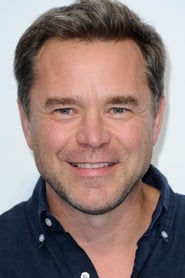



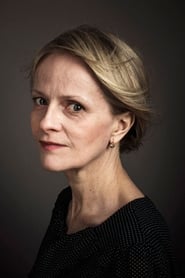
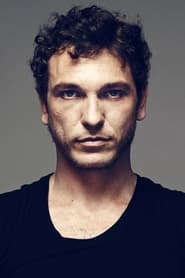
Image © TMDB
Crew
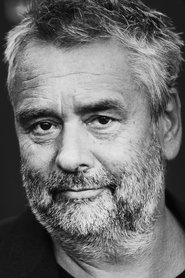
Image © TMDB
Frequently asked questions
What is Dracula (2025) about?
Set in late 15th-century Eastern Europe, the film follows Prince Vlad II after his bride is murdered. He rejects faith, becomes cursed with eternal life, and emerges as Dracula—an immortal warlord determined to defy death and reclaim his lost love.
Who directs Dracula (2025)?
Dracula (2025) is directed by Luc Besson.
Who stars in Dracula (2025)?
The cast includes Caleb Landry Jones, Zoë Bleu Sidel, Christoph Waltz, Matilda De Angelis, Ewens Abid, Guillaume de Tonquédec, David Shields, and Bertrand-Xavier Corbi.
What genres does Dracula (2025) blend?
It blends horror, fantasy, and romance, using supernatural elements to heighten a tragic love story and a violent struggle against fate.
Is Dracula (2025) more horror or romance?
It treats both as inseparable: the romance motivates the story’s darkest choices, while the horror grows out of grief, obsession, and the curse of immortality.
Comments
Be the first to comment.
Leave a comment