La bola negra
Love leaves a legacy.
Don’t miss the next trailer.
Five picks a week, in your inbox, free. Unsubscribe anytime.
We’ll send the English newsletter.
Javier Ambrossi’s “La bola negra” threads three lives across three eras into one haunting tapestry of desire, secrecy, and inheritance. Part drama, part war story, it asks what survives when love is forced to live in the shadows.
“La bola negra” (2026) arrives as a bold, intimate drama with the echo of war in its bones, directed by Javier Ambrossi with a storyteller’s patience and a provocateur’s nerve. Built around three men living in three different eras, the film treats time less like a line and more like a wound that keeps reopening—until someone finally dares to look inside.
Rather than presenting history as a backdrop, Ambrossi uses it as pressure: on bodies, on language, on the choices people make when desire becomes dangerous. The film’s three intertwined lives are connected by sexuality and longing, but also by the costs of silence—pain that is private in one era and political in another, yet always passed on. What begins as separate stories slowly reveals itself as a single legacy, carried forward in gestures, scars, and unfinished conversations.
The cast brings a striking cross-generational charge to the material. Guitarricadelafuente, Miguel Bernardeau, Carlos González, Milo Quifes, Lola Dueñas, Penélope Cruz, Glenn Close, and Lorenzo Zurzolo form an ensemble that feels deliberately assembled to mirror the film’s core idea: identity isn’t isolated, it’s inherited, contested, and sometimes stolen. Each performance becomes a different dialect of the same emotional truth—wanting, losing, enduring.
As a war drama, “La bola negra” is less about battlefield spectacle than about the intimate aftershocks conflict leaves behind. It suggests that war doesn’t end when the guns quiet; it lingers in family myths, in censored memories, in the way certain loves are remembered as “friendship” for safety. The film’s tension comes from watching characters negotiate what they can say aloud, and what they must bury to survive.
For viewers drawn to emotionally precise cinema—stories where desire is both refuge and risk—“La bola negra” promises a resonant, conversation-starting experience. For more updates, editorial coverage, and release tracking, visit https://trailerix.com.
Cast


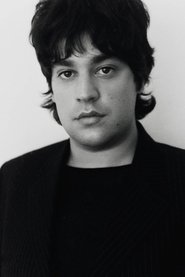






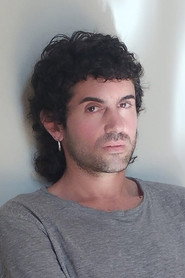


Image © TMDB
Crew


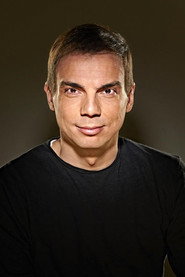
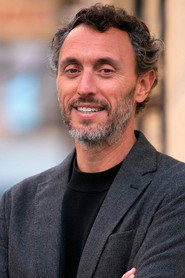

Image © TMDB
Frequently asked questions
What is “La bola negra” (2026) about?
It follows three men living in three different eras whose lives connect through sexuality, desire, pain, and the legacy those experiences leave behind.
Is “La bola negra” a war film or a drama?
It blends drama and war elements, focusing less on combat and more on how conflict and repression shape personal lives, relationships, and memory over time.
Who directed “La bola negra”?
The film is directed by Javier Ambrossi.
Who is in the cast of “La bola negra”?
The cast includes Guitarricadelafuente, Miguel Bernardeau, Carlos González, Milo Quifes, Lola Dueñas, Penélope Cruz, Glenn Close, and Lorenzo Zurzolo.
What themes does “La bola negra” explore?
It explores desire and identity across time, the burden of secrecy, the impact of war and social pressure, and how personal pain can become an inherited legacy.
Comments
Be the first to comment.
Leave a comment