Dune: Part Three
The epic conclusion.
Don’t miss the next trailer.
Five picks a week, in your inbox, free. Unsubscribe anytime.
We’ll send the English newsletter.
Denis Villeneuve’s return to Arrakis promises a sharper kind of spectacle: the moment after victory, when power starts demanding its price. “Dune: Part Three” looks poised to turn Paul Atreides’ ascension into a tense reckoning with prophecy, politics, and the violence done in the name of destiny.
With Dune: Part Three (2026), Denis Villeneuve is expected to steer the saga into its most unsettling territory: what happens when the chosen one actually wins. Paul Atreides is no longer the hunted heir or the revolutionary figurehead—he is Emperor, and the galaxy is watching his every move. The story’s pull comes from a central contradiction: Paul can glimpse possible futures, yet the very act of ruling seems to narrow his options, turning foresight into a trap.
Science fiction often celebrates conquest, but Dune has always been more interested in consequences. As Paul’s authority solidifies, political plots tighten around him—courtly maneuvering, rival interests, and uneasy alliances that thrive in the shadows of an empire. Villeneuve’s approach, if consistent with the earlier films, should make these conspiracies feel intimate and immediate, where whispered decisions carry the weight of planetary casualties.
At the same time, the holy war that spreads in Paul’s name threatens to outgrow him, transforming belief into a weapon that cannot be easily sheathed. That tension—between the symbol and the person—could become the film’s emotional engine. Timothée Chalamet’s Paul has always carried an edge of reluctance beneath the myth; this chapter has the chance to test whether reluctance matters once history has already started moving.
The ensemble adds further intrigue, with Zendaya’s Chani positioned as a vital counterpoint to imperial certainty, and Florence Pugh’s presence suggesting the kind of dynastic friction that can turn romance, diplomacy, and survival into the same conversation. Returning faces like Jason Momoa and Rebecca Ferguson, alongside Isaach de Bankolé, Charlotte Rampling, and Anya Taylor-Joy, hint at a story that balances the personal with the institutional—family legacies colliding with the machinery of empire.
For viewers searching for the next major science fiction event, Dune: Part Three isn’t just about bigger battles or grander vistas—though Villeneuve’s cinema rarely skimps on scale. It’s about the uneasy aftermath of revolution, the seduction of certainty, and the terrifying thought that the future you can see may still be the one you cannot stop. For ongoing updates and coverage, visit Trailerix.
Cast





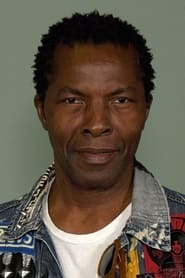



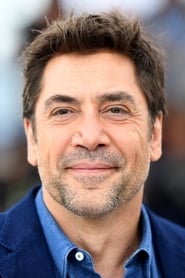


Image © TMDB
Crew
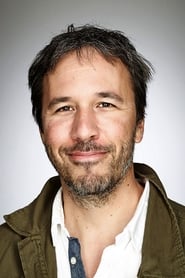
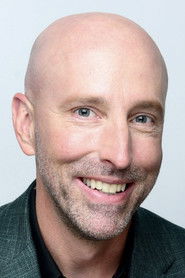






Image © TMDB
Frequently asked questions
What is Dune: Part Three (2026) about?
It follows Paul Atreides after his rise to Emperor, as he confronts political schemes and a galaxy-wide religious conflict fueled by his legend—while trying to steer a future only he can partially foresee.
Who is directing Dune: Part Three?
Denis Villeneuve returns as director, continuing his cinematic adaptation of Frank Herbert’s universe with a focus on atmosphere, power dynamics, and moral consequence.
Which cast members are expected to appear?
The announced cast includes Timothée Chalamet, Zendaya, Jason Momoa, Florence Pugh, Rebecca Ferguson, Isaach de Bankolé, Charlotte Rampling, and Anya Taylor-Joy.
Is Dune: Part Three a science fiction film?
Yes. It’s firmly rooted in science fiction, blending interstellar politics, ecology, and religion into a story about how empires are built—and what they cost.
Do I need to watch the previous Dune films first?
It’s highly recommended. This chapter builds on Paul’s transformation and the relationships and conflicts established earlier, making the emotional stakes and political tensions far clearer if you’ve seen the prior installments.
Comments
Be the first to comment.
Leave a comment